Bulgarian cuisine remains one of Europe’s lesser-known culinary traditions. Shaped by Balkan, Slavic, Mediterranean, and Ottoman influences, it combines vegetables, tangy yogurt, white brined cheeses, grilled meats, and comforting baked dishes into meals that are both simple and full of flavor.
If your Celebrity River Cruises℠ itinerary includes a stop in Bulgaria, tasting the local food is one of the most memorable ways to experience the destination. A leisurely lunch overlooking the Danube or a visit to a neighborhood bakery can reveal just as much about local culture as the country’s historic landmarks.
If you’re visiting Bulgaria for the first time, make these classic dishes a priority:
- Shopska salad
- Banitsa
- Tarator
- Kebapche
- Kyufte
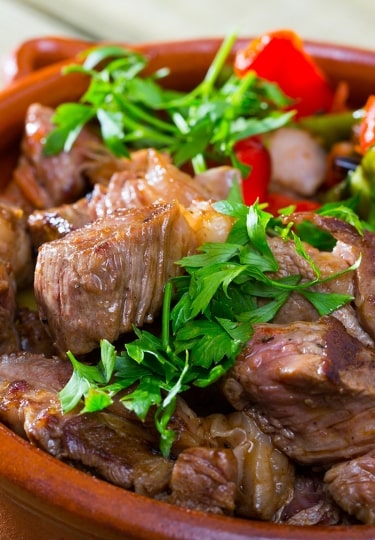
- Kavarma
- Stuffed peppers
- Lukanka
- Bulgarian yogurt
- Mekitsi
Together, these specialties offer a flavorful introduction to Bulgaria’s culinary heritage and the ingredients that have shaped local meals for generations.
Bulgarian Cuisine Brings Together the Flavors of the Balkans

Beautifully served red pepper stuffed with sirene (salted, brined cheese), a traditional Bulgarian dish
Bulgaria’s location at the crossroads of Europe and Asia has shaped a cuisine influenced by centuries of trade and cultural exchange. While you’ll recognize touches of Greek, Turkish, Serbian, and Romanian cooking, Bulgarian food has a distinct identity rooted in time-honored family recipes and simple preparations that let local flavors shine.
During a Danube River cruise stop in Bulgaria, you’ll notice a handful of ingredients appearing across menus, bakery counters, and local markets:
- Kiselo mlyako: Bulgaria’s signature tangy yogurt, enjoyed on its own and used in soups, sauces, and desserts.
- Sirene cheese: A white brined cheese that adds a salty, creamy flavor to salads, pastries, and baked dishes.
- Tomatoes, peppers, and herbs: Ripe tomatoes, sweet peppers, dill, and parsley that bring brightness and freshness to everyday recipes.
- Pork, lamb, and beef: Popular meats featured in everything from grilled specialties to slow-cooked stews.
- Fresh breads and flaky pastries: Everyday staples served alongside meals or enjoyed as breakfast and snacks.
These ingredients come together to create the comforting, vibrant tastes that make Bulgarian cuisine one of the Danube’s most memorable culinary experiences.
Shopska Salad Is Bulgaria’s Signature First Course
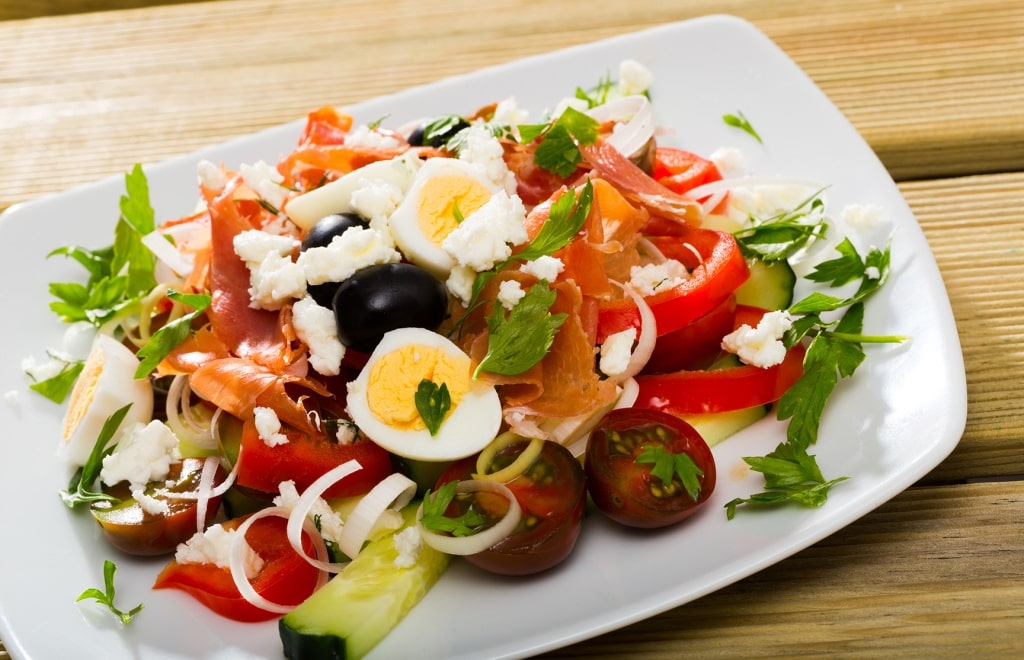
Shopska salad, a traditional Bulgarian salad prepared with tomatoes, cucumbers, peppers, and cheese.
Shopska salad is one of Bulgaria’s most recognizable dishes and is often considered a national favorite. This celebration of seasonal ingredients is made with:
- Ripe tomatoes
- Crisp cucumbers
- Roasted peppers
- Onions
- Grated sirene cheese
The contrast is part of the appeal: juicy tomatoes, crisp cucumbers, and salty cheese combine in a way that feels right at home during a sunny lunch along the river.
Banitsa Is the Pastry Every Visitor Should Try
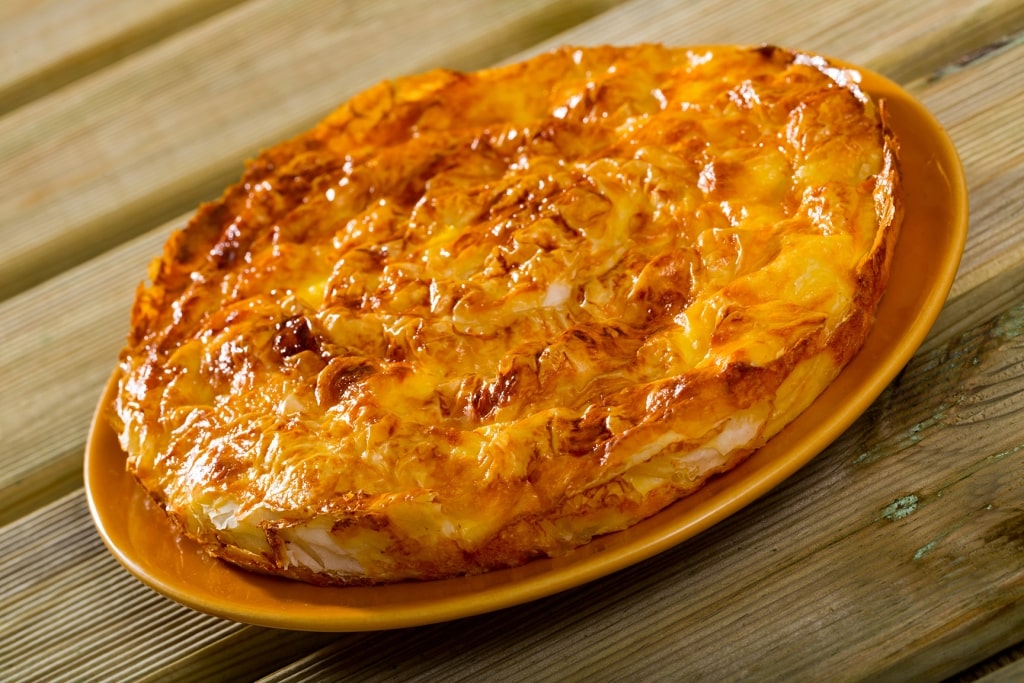
Banitsa, a traditional dish made from thin pastry sheets with crushed sirene or feta cheese, yogurt, and eggs
Few foods are as closely associated with Bulgaria as banitsa, a flaky pastry that’s a favorite across the country. Traditionally made with layers of flaky pastry wrapped around eggs and sirene cheese, it also comes in variations with spinach, pumpkin, and other seasonal ingredients.
Warm, buttery, and wonderfully crisp, banitsa is an easy way to experience Bulgarian cuisine. Plus, you can enjoy it at any time, whether that’s as breakfast before sightseeing or as a quick bite while wandering a riverside town.
If your river cruise arrives early, follow the smell of warm pastry into a local bakery and pair a flaky slice of banitsa with a cup of coffee before heading out to explore.
Tarator Offers a Refreshing Take on Soup
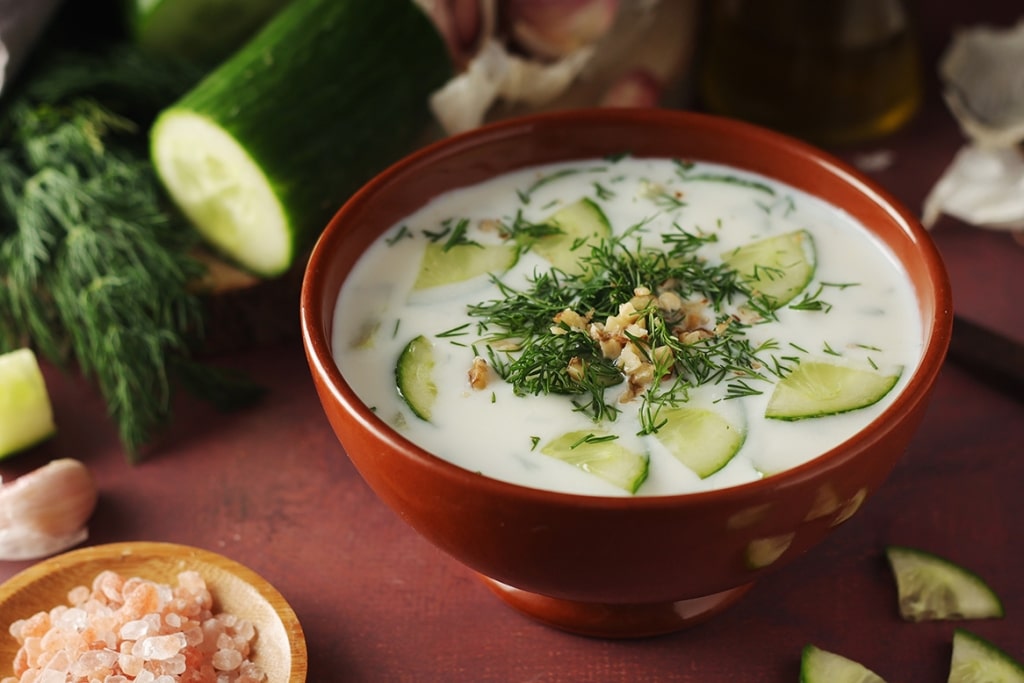
Traditional Bulgarian cold summer soup tarator with yogurt, dill, cucumber and walnuts.
Tarator is one of the Bulgarian dishes that surprises first-time visitors the most. Served chilled, this refreshing soup has a texture somewhere between a traditional soup and a savory drink, combining:
- Kiselo mlyako
- Cucumber
- Dill
- Garlic
- Chopped walnuts
Its cool, tangy flavor makes it especially popular during Bulgaria’s warmer months, when it’s often enjoyed as a light starter or alongside grilled meats.
Refreshing without being heavy, tarator offers a different way to experience Bulgaria’s signature yogurt and is a delicious contrast to the heartier dishes you’ll find on many local menus.
Lukanka Is One of Bulgaria’s Most Famous Delicacies
Lukanka is one of Bulgaria’s most beloved cured meats and a staple of charcuterie spreads. Recognizable by its flattened shape, this dry-cured sausage is often made with a blend of pork and beef alongside aromatic spices, then aged to develop its rich, savory flavor.
Rather than ordering lukanka as a meal on its own, try it the way locals often enjoy it: sliced thin and served alongside sirene cheese, fresh bread, and other small bites. It’s a simple way to experience Bulgaria’s long-standing tradition of cured meats and shared small plates.
Grilled Meats Play a Central Role in Traditional Bulgarian Meals

Meshana skara, a dish of Bulgarian cuisine. The mixed grill consists of various types of grilled meat and sausages with vegetables.
Grilled meats are a cornerstone of traditional Bulgarian dishes, appearing on menus from casual neighborhood restaurants to taverns across the country. Cooked over an open flame and seasoned with a blend of herbs and spices, these dishes highlight the simple, satisfying ingredients that define many Bulgarian meals.
Here are some of the most popular Bulgarian grilled meats to try:
Kebapche
Kebapche are skinless grilled sausages made with minced pork or beef and seasoned with spices such as cumin and black pepper. Their elongated shape and smoky, savory flavor make them a popular choice for travelers looking to try a classic Bulgarian dish. Plus, the seasoning is pretty approachable, so the quality of the meat can take center stage.
Kyufte
Kyufte is Bulgaria’s take on the classic meatball or burger patty. Made with seasoned minced meat, fresh herbs, and spices, these grilled patties are often cooked over an open flame for a lightly charred exterior and rich flavor. They’re commonly served with:
- Fries
- Salads
- Grilled vegetables
Meshana Skara
For guests who want to sample a little of everything, meshana skara (a mixed grill platter) is a great first taste of Bulgarian barbecue traditions. These generous plates often feature a combination of grilled specialties, making it easy to experience several of the country’s favorite meat dishes in one sitting.
Everyday Foods and Flavors That Complete the Bulgarian Table
Beyond the region’s most recognizable dishes, a Bulgarian river cruise offers a closer look at the everyday staples that shape meals across the country. From family-style recipes to regional drinks enjoyed alongside a meal, these flavors reveal the quieter side of Bulgarian cuisine:
Stuffed Peppers Capture the Comforting Side of Bulgarian Cooking
Stuffed peppers are a familiar sight throughout the Balkans, but they hold a special place in Bulgarian home cooking. Traditionally filled with rice, herbs, and minced meat, they’re also prepared with vegetarian fillings that change with the seasons.
Slow-cooked and satisfying, this dish reflects the kind of unhurried cooking that brings families and friends together around the table.
Yogurt and Cheese Are the Backbone of Bulgarian Cuisine
A few ingredients appear so often in Bulgarian cooking that they almost feel like signatures—namely, kiselo mlyako and sirene cheese.
Bulgaria’s famous yogurt has a distinct tang and creamy texture thanks to the specific bacterial cultures used in traditional production. Sirene (a white brined cheese), on the other hand, adds a salty richness to everything from Shopska salad to pastries and baked dishes.
Local Drinks Complement Traditional Bulgarian Dishes
Food in Bulgaria is often paired with simple, local favorites:
- Ayran, a savory yogurt drink, is a refreshing match for grilled meats.
- Wines from the Danube region complement many everyday meals.
- Fruit brandies, including rakia, are commonly enjoyed alongside meals.
A morning coffee at a neighborhood café is also a chance to slow down and watch daily life unfold before returning to the river.
A Day in Port Is Plenty of Time To Sample Bulgarian Food
A day ashore on a European river cruise offers plenty of opportunities to experience Bulgaria through its food. You don’t need a full itinerary to discover the flavors that define the local cuisine—a few thoughtful stops can turn a port visit into a memorable culinary journey:
- Start the morning with a warm slice of banitsa and a coffee from a local bakery before exploring the town.
- For lunch, order a refreshing Shopska salad followed by a grilled specialty like kebapche or kyufte.
- End the day with a serving of Bulgarian yogurt or a local sweet treat for a final taste of the country’s flavors.
From neighborhood cafés to family-run restaurants, Bulgaria’s food scene is easy to explore at a relaxed pace. Before your visit, check available shore experiences during your pre-cruise planning to see the latest culinary options available during your stop.
If You Only Try Three Bulgarian Dishes, Make Them These
With so many dishes to discover during a Bulgaria river cruise stop, narrowing down your must-try list can be a challenge. If you only have time for three, start with these local favorites:
- Shopska salad: An ideal introduction to traditional Bulgarian dishes, combining seasonal vegetables with the salty richness of sirene cheese.
- Banitsa: A flaky, cheese-filled pastry that showcases Bulgaria’s long-standing baking traditions and makes a perfect morning bite.
- Kebapche or kyufte: Classic grilled specialties that highlight the simple, flavorful approach at the heart of Bulgarian cooking.
If you’re short on time, these dishes will offer a memorable taste of Bulgaria’s everyday dining culture.
Frequently Asked Questions
What is the national dish of Bulgaria?
While Bulgaria does not have an official national dish, Shopska salad is often considered one of the country’s most iconic foods. Other beloved classics include:
- Banitsa
- Tarator
- Grilled specialties like kebapche
Is Bulgarian food similar to Greek food?
Bulgarian and Greek cuisines share some similarities, including the use of seasonal vegetables, yogurt, herbs, and white cheeses. However, Bulgarian food has its own distinct character, shaped by Balkan, Slavic, and Ottoman influences, with an emphasis on grilled meats, baked dishes, and hearty family recipes.
What do Bulgarians eat for breakfast?
Popular Bulgarian breakfast foods include:
- Banitsa
- Mekitsi (fried dough pastries)
- Yogurt with honey
- Fresh bread
- Homemade preserves
Breakfast is a simple and delicious way to experience everyday Bulgarian food culture, especially during a morning port call when a local bakery or café offers a taste of daily life.
What are the best Bulgarian foods for first-time visitors to try?
First-time visitors should start with dishes showcasing the regional specialties that make Bulgarian cuisine unique. This includes classics like:
- Shopska salad
- Banitsa
- Tarator
- Kebapche
- Kyufte
- Lukanka
- Kiselo mlyako
A Memorable Day in Bulgaria Starts With What’s on the Menu
Food offers one of the most authentic ways to connect with Bulgaria’s culture, history, and traditions during a river cruise stop. From a flaky slice of banitsa at a neighborhood bakery to a leisurely meal at a riverside café, the most memorable discoveries often come from leaving room for the unexpected.
Even one day in port offers time to experience Bulgaria’s signature tastes, from fresh salads and grilled specialties to locally made cheeses and yogurt. As your Danube journey continues, each destination brings new tastes and stories to the table, creating a deeper connection to the places you explore.
Explore Celebrity’s Bulgaria river cruises and experience the culture, cuisine, and stories that make each port unforgettable.