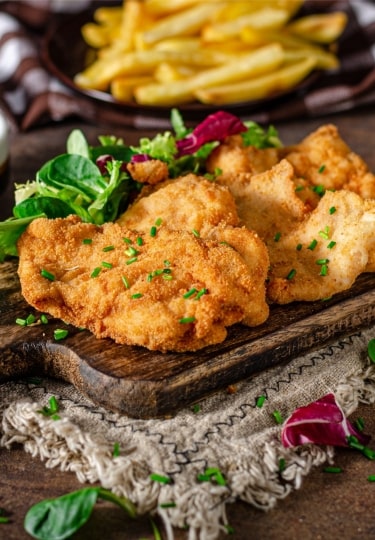
Whether you’re enjoying coffee piled high with whipped cream in one of the famous coffee houses or sampling a crispy Wiener Schnitzel in a cozy bistro, in Vienna, food has deep cultural roots.
Viennese cuisine is meaty and decadent, with influences from the era of the Austro-Hungarian Empire and nearby Italy, as well as the city’s modern-day multicultural population.
There’s a strong connection to the slow food movement here; you’ll see market stalls piled high with fresh local produce and dishes change with the seasons. Food in Vienna is to be savored, shared with friends and family, and not rushed. Here are some of the best examples of what to eat in Vienna.
Wiener Schnitzel
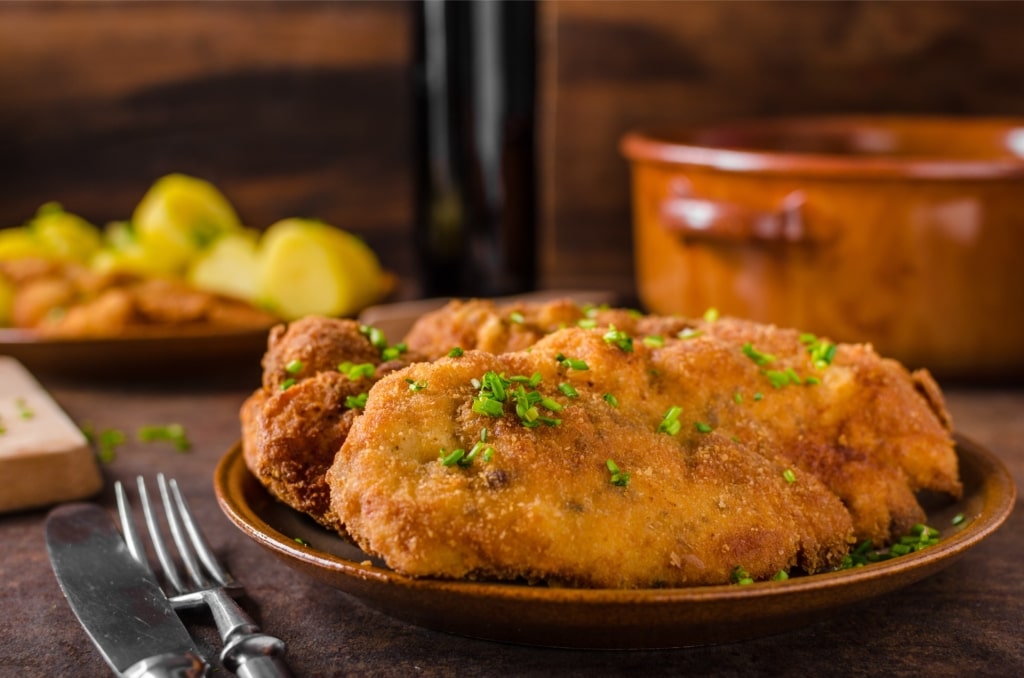
Wiener Schnitzel
If you try one dish in the capital, try a Wiener Schnitzel, a national icon, the provenance of which dates back to the 18th century.
Essentially, the Wiener Schnitzel is a veal escalope, flattened and coated in fine breadcrumbs. It’s cooked in butter in a shallow frying pan and served with a garnish of parsley, boiled potatoes tossed in butter and parsley. Some establishments offer chicken or pork schnitzels which are presented in much the same way.
Sometimes, the boiled potatoes are replaced with a cold potato salad including onions, dressed with vinegar, oil, and mustard. Locals swear by a dollop of lingonberry jam, too, to add sweetness.
Apfelstrudel
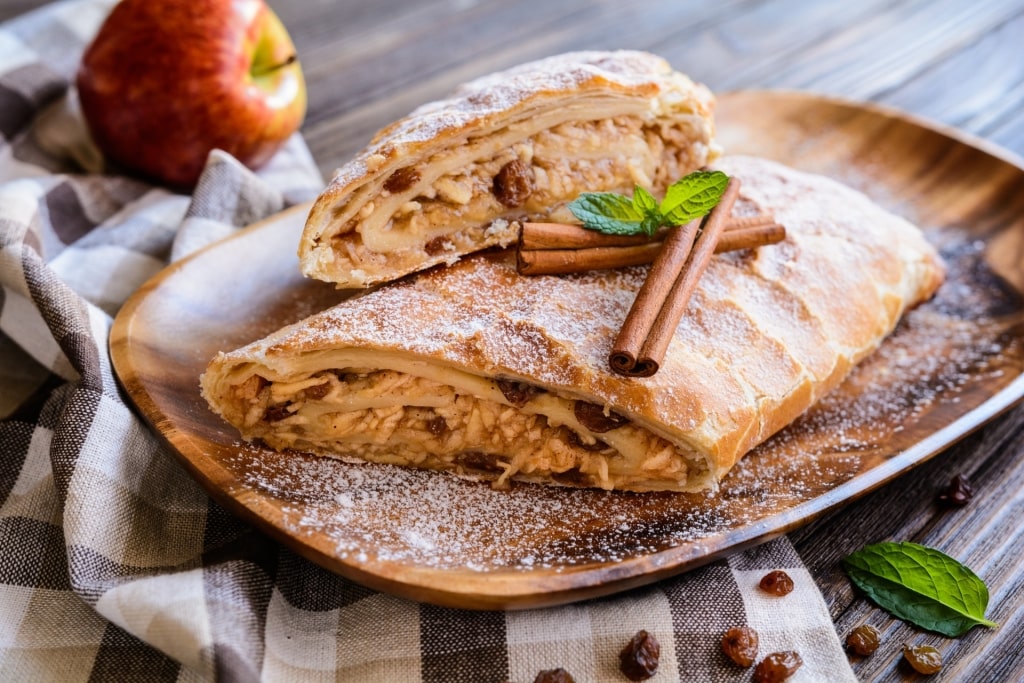
Apfelstrudel
Apple strudel is another Viennese classic, available on every menu and dating back to the time of the Austro-Hungarian Empire in the 18th century, with further possible influences from Turkish baklava. If you’re wondering what to eat in Vienna for dessert, or with your coffee, this is it.
Chopped apple, flavored with cinnamon and mixed with raisins and almonds, is rolled in phyllo pastry and baked, and dusted with confectioners’ sugar once it’s been removed from the oven.
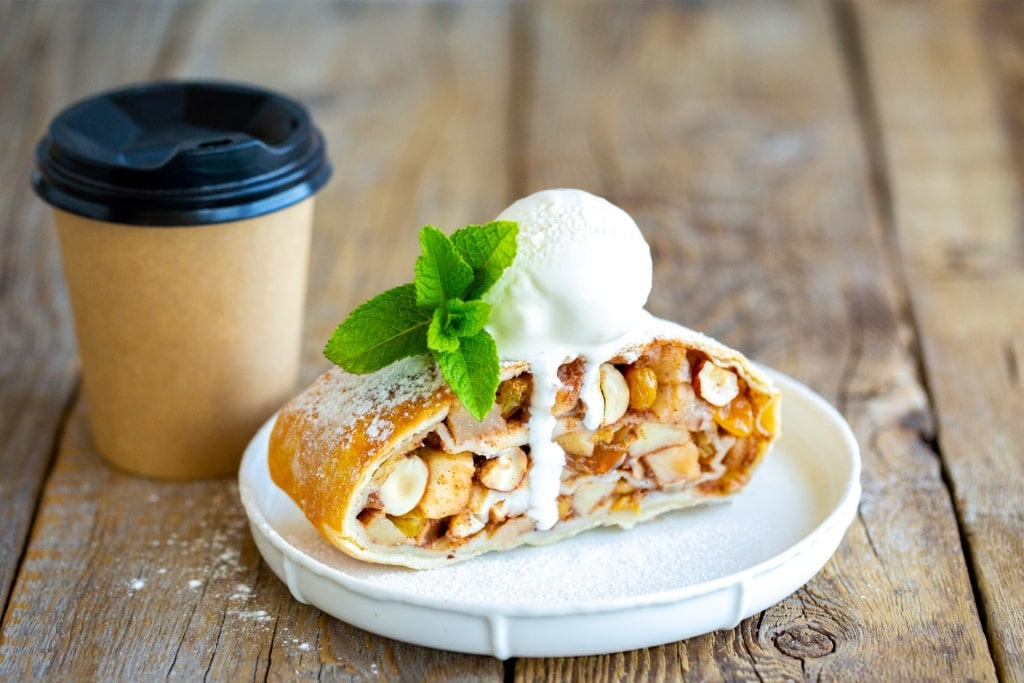
Apfelstrudel
Some restaurants serve Apfelstrudel with ice cream, but if you have the chance, try it with warm vanilla sauce or custard for the ultimate comfort dessert. You can find strudel at any of the city’s coffee houses; Café Mozart is one of the best.
While Apfelstrudel is the classic, many variations of the dish have sprung up, with fillings from different fruits to nuts. Topfenstrudel features quark cheese as its main ingredient, mixed with sugar, vanilla, lemon zest, and raisins; a cheesecake wrapped in pastry, as it were. There’s even a savory version, with a vegetable filling.
Coffee
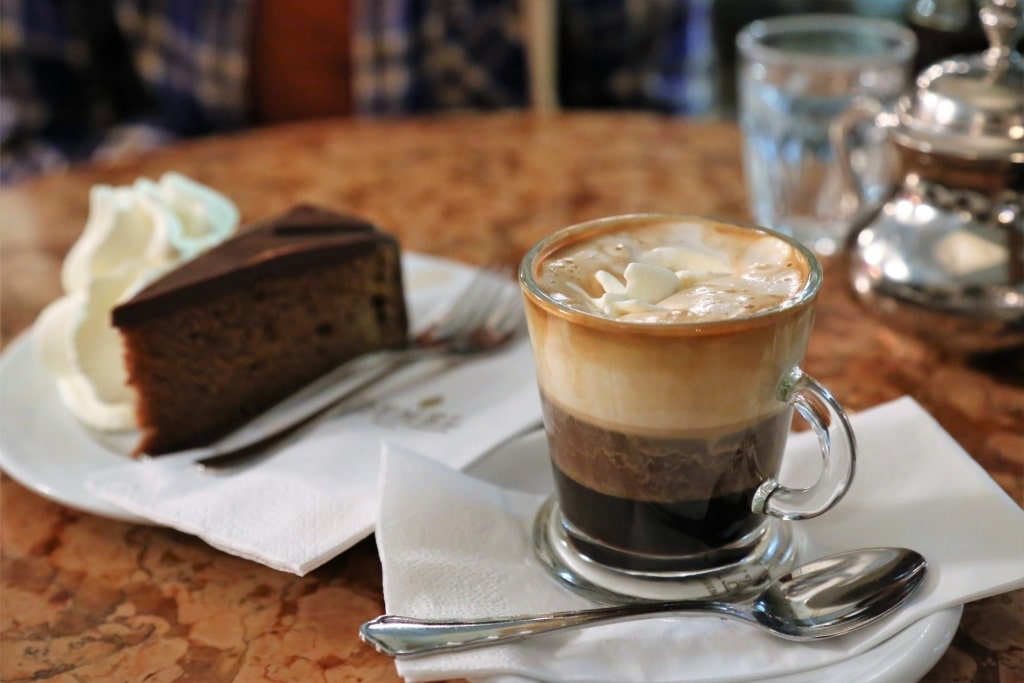
Viennese coffee
Coffee is synonymous with Vienna. The famous coffee houses originated in the mid-17th century, according to popular folklore, when the occupying Turks fled the city, leaving behind sacks of coffee beans. An entrepreneurial Turkish-speaking resident of Vienna, Georg Franz Kolschitzky, who also spied for Austria against the Turks, is said to have opened Vienna’s first coffee house, Zur Blauen Flasche, in 1683.
Coffee house culture has flourished in Vienna ever since. The coffee houses served as an extended living room for intellectuals; international newspapers were provided on wooden poles, as they still are today, and those who could read would gather to discuss politics, the arts, literature, and philosophy. Some of the most famous include Café Hawelka on Dorotheergasse, former hangout of Andy Warhol, Café Schwarzenberg on the Kärntner Ring, and the palatial Café Central on Herrengasse.
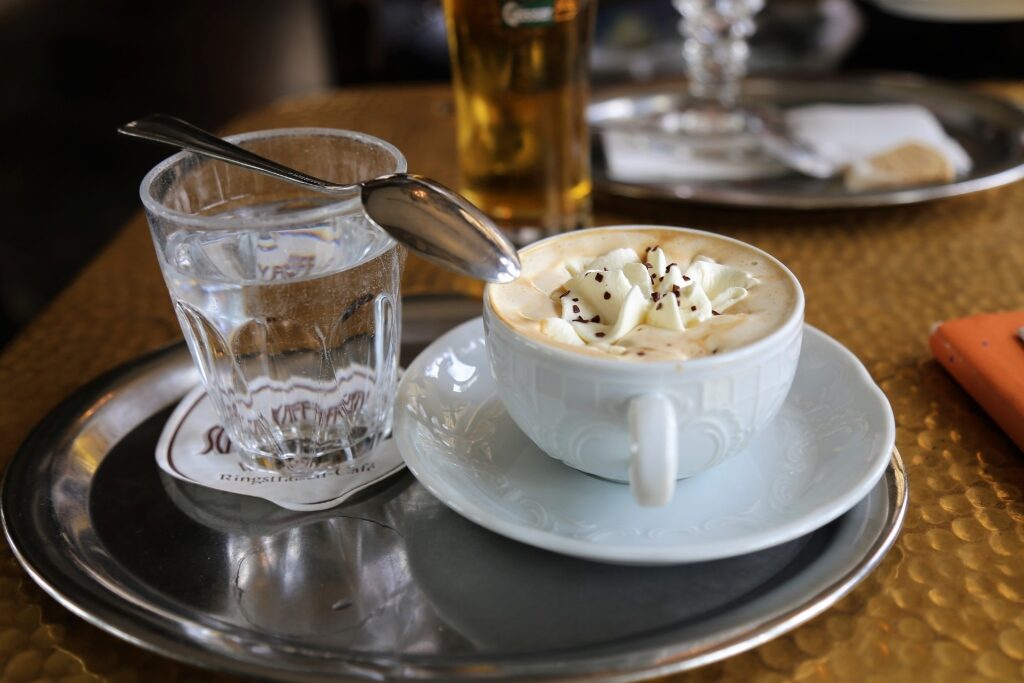
Melange
There are multiple permutations of Viennese coffee. A Kleiner Schwarzer is an espresso in a small cup. A Kleiner or Grosser Brauner is a single or double shot of espresso with a dash of cream. A Melange is espresso with some water added, topped with foamed milk.
Things get exciting with a Franziskaner, which is melange with a dollop of cream on top. Or you could ask for an Obermayer, a double shot into which cream is poured, very cold, over the back of a spoon so it rests on the coffee in a layer before sinking. A Fiaker is espresso with a shot of rum, while the decadent Maria Theresa is a double shot of espresso, or mocha, mixed with a shot of orange liqueur and topped with whipped cream.
On a hot day, ask for a Wiener Eiskaffee, in which cold coffee is poured over a ball of vanilla ice cream and topped with whipped cream.
Gulasch
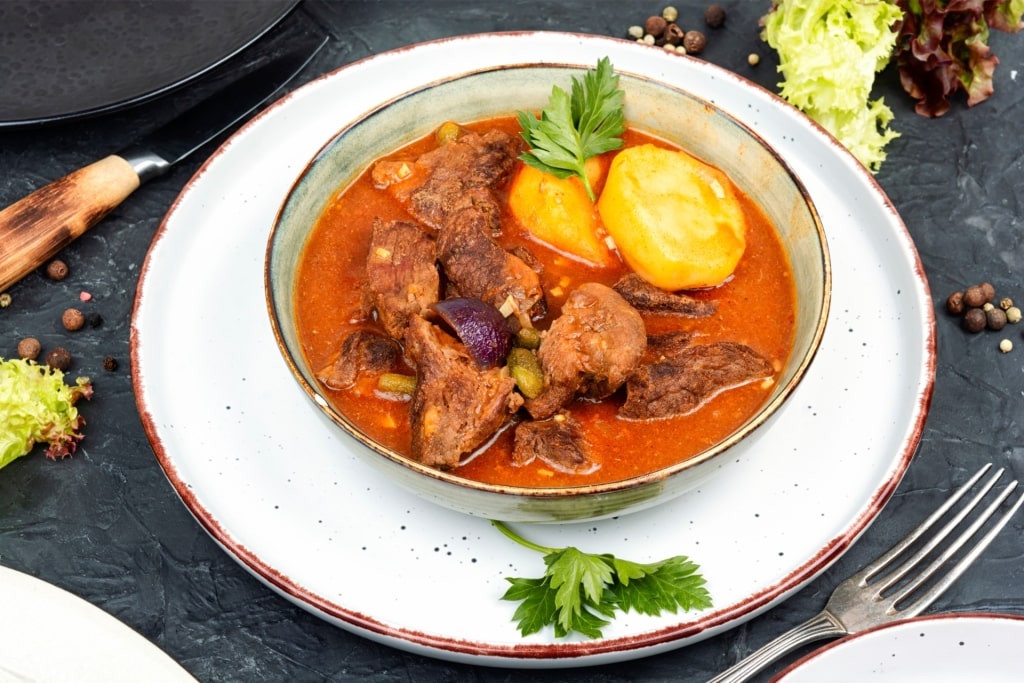
Gulasch
Gulasch comes from Hungary, Austria’s neighbor; the two countries have traded many culinary influences over the centuries. This is not a dish limited to restaurant menus; it’s typical fare for the Viennese to eat at home, too.
The Viennese version of the dish is Saftgulasch, or “stock” gulasch, crammed with herbs and spices and using almost the same quantity of onion as meat. A key ingredient is paprika, which grows in abundance on the steppes outside Budapest to the southeast. The dish is slow cooked so that the meat is extra tender.
Palatschinken
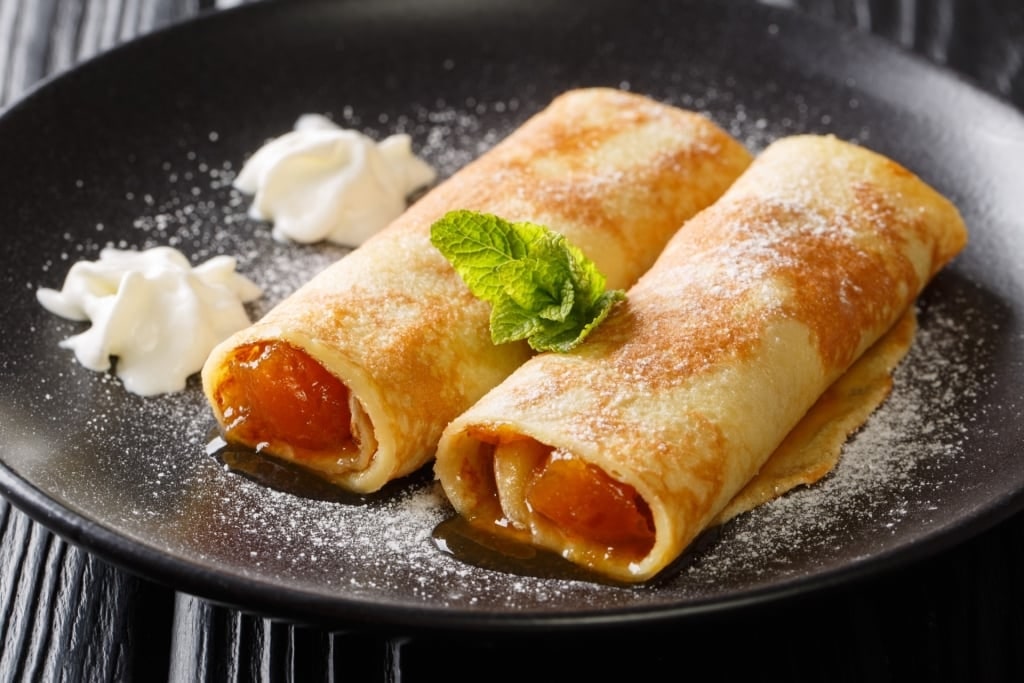
Palatschinken
Austria’s answer to crêpes, Palatschinken is another dish that originated in nearby Hungary. These thin pancakes, made from the usual batter of eggs, flour, milk, and salt, are cooked in a hot pan and tossed so that they brown on both sides. The most typical filling is apricot jam but in recent years, Nutella has become a favorite, while others prefer savory versions containing spinach or cheese.
Try Palatschinken in cafés or pick some up from a street food stall.
Sachertorte
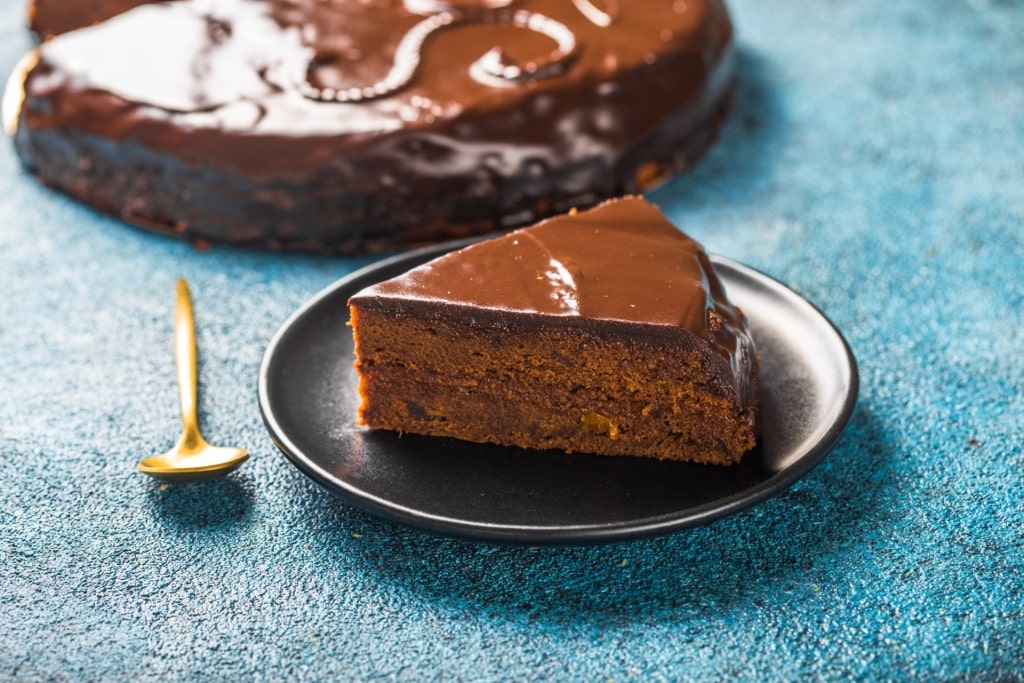
Sachertorte
Sachertorte, the iconic Viennese cake, smooth and glossy with dark chocolate, flavored with a layer of apricot jam and served with whipped cream, is produced at the luxurious Hotel Sacher and dates back to 1832. As the story goes, Prince Metternich asked his cooks to come up with a special dessert for an official function but the head chef fell ill. The 16-year-old Franz Sacher, at the time an apprentice, dreamed up the cake, and it has become the signature dessert of the hotel ever since.
You’ll see versions of Sachertorte on sale all over the city but the original version produced at the Hotel Sacher comes with a chocolate “stamp”. Some 360,000 original Sacher Torte are made every year at the hotel, with two thirds of these shipped all over the world. For the true Sachertorte experience, head to the swish Café Sacher Wien for afternoon tea and enjoy your slice of cake with a dollop of whipped cream.
Apricots
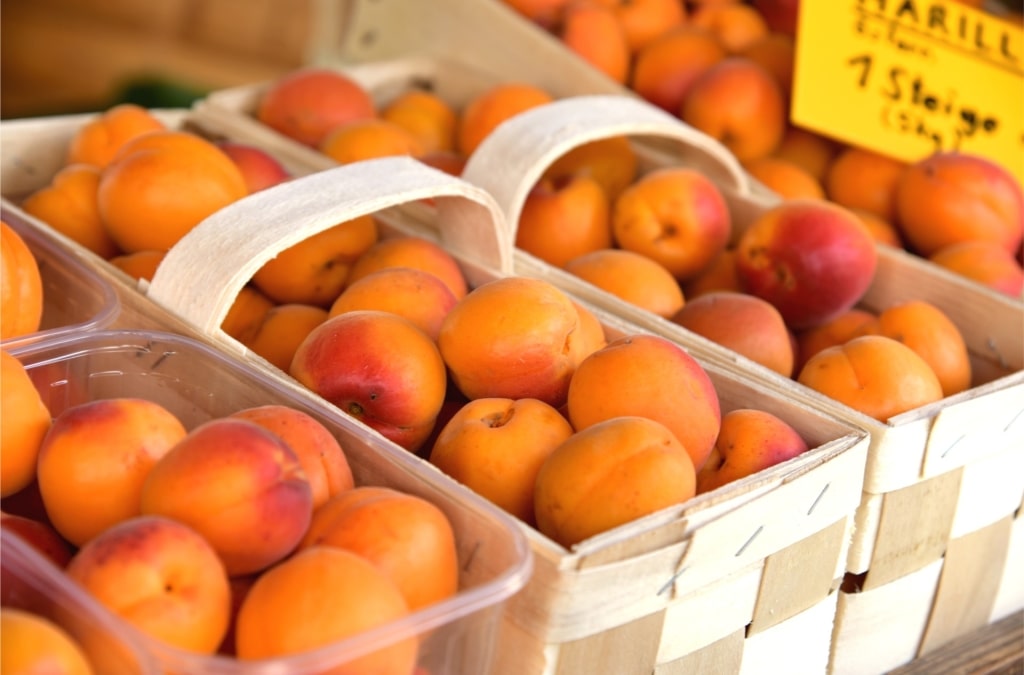
Apricots
Austria is famous for its apricots, particularly those grown in the Wachau Valley to the west of Vienna. Harvest time is July and August, when you’ll see Wachau apricots piled high on market stalls throughout the city.
This juicy, sweet fruit is turned into everything from jams to chutneys, schnapps, ice cream, apricot-filled chocolate, dumplings, pancake filling, and most famously, an essential ingredient of the Sachertorte cake. On a hot day, try the Aida Café-Konditorei, a chain of contemporary coffee shops, where you can taste a delicious apricot ice cream.
Würstel

Würstel
Sausage stalls in Vienna are, alongside Heurige and coffee houses, recognized by UNESCO as part of Austria’s intangible cultural heritage. You’ll see—and smell—them everywhere; the aroma of sizzling sausages is impossible to resist as you browse the pretty stalls of a Christmas market, the crunch of snow underfoot.
Pork or beef sausages are boiled and then smoked, served in a crispy roll or a dark sourdough with mustard and horseradish. The crunch, the tangy sauce, and the smoky sausage provide three delicious contrasts. There are, of course, many kinds of sausage. One unusual version to try is the Käsekrainer, the meat studded with cheese that oozes out as you bite into the sausage.
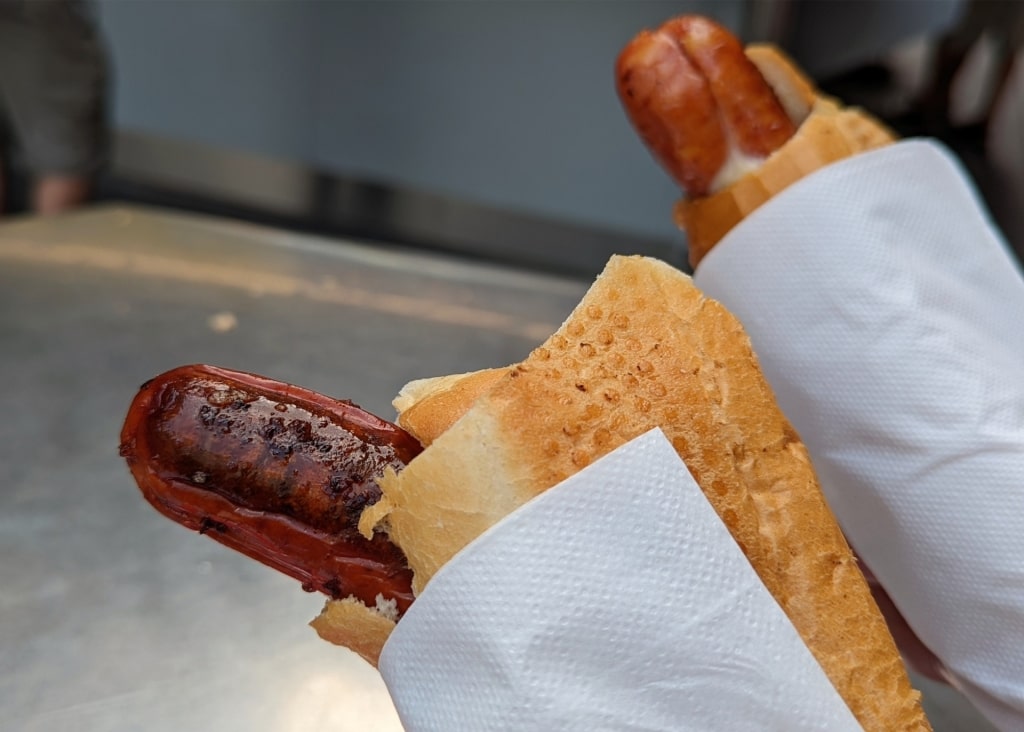
Käsekrainer
If you order a sausage and are asked “Sweet or spicy?”—süss oder scharf? in German— the question refers to the kind of mustard you prefer. Kremser is sweet and mild, while Estragon is spicy and hot.
One of the most famous sausage stalls in the city is Würstelstand am Hohen Markt, in the center, which stays open till late at night and has a faithful clientele. Or if you go to the Prater amusement park, Bitzinger’s is a local legend.
Kaiserschmarrn
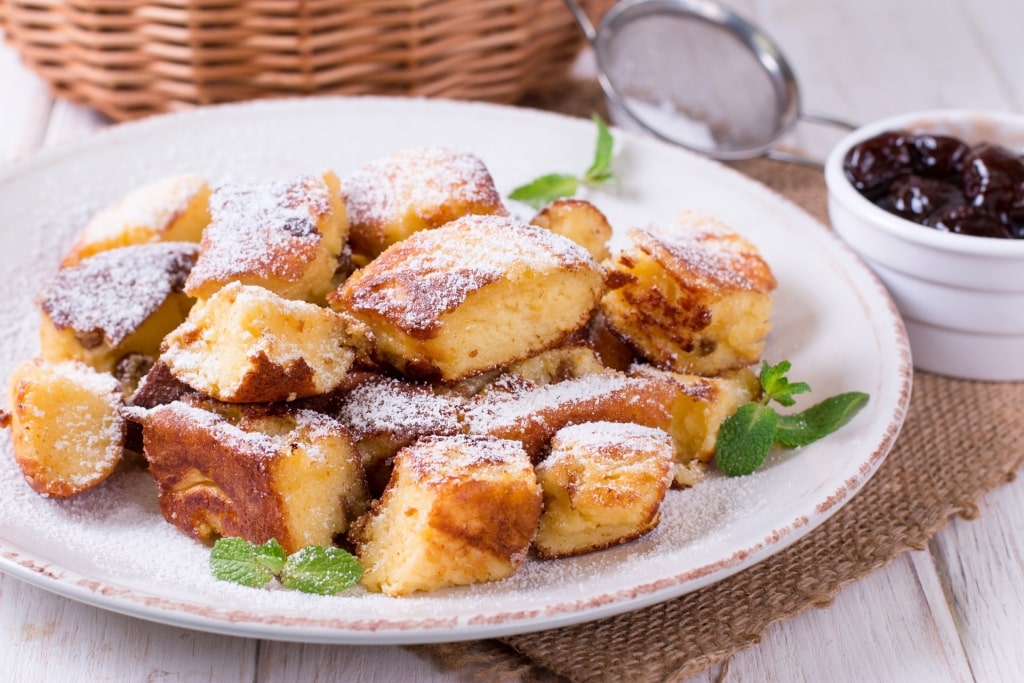
Kaiserschmarrn
Another deliciously decadent treat, Kaiserschmarrn is said to date back to the time of Emperor Franz Joseph I, who had a taste for pancakes for dessert. Its literal translation is “Emperor’s mess” which stems from the fact that in this dish, the fluffy pancakes are shredded.
Kaiserschmarrn are prepared with a typical pancake batter of flour, eggs, sugar, milk, and salt, and fried in butter before being shredded. They’re typically served with stewed plums, which add a deliciously tart contrast to the sweet pancakes, the whole ensemble dusted with powdered sugar. One of the best places to try this exquisite dish is the Demel confectionery on Kohlmarkt.
Pretzels
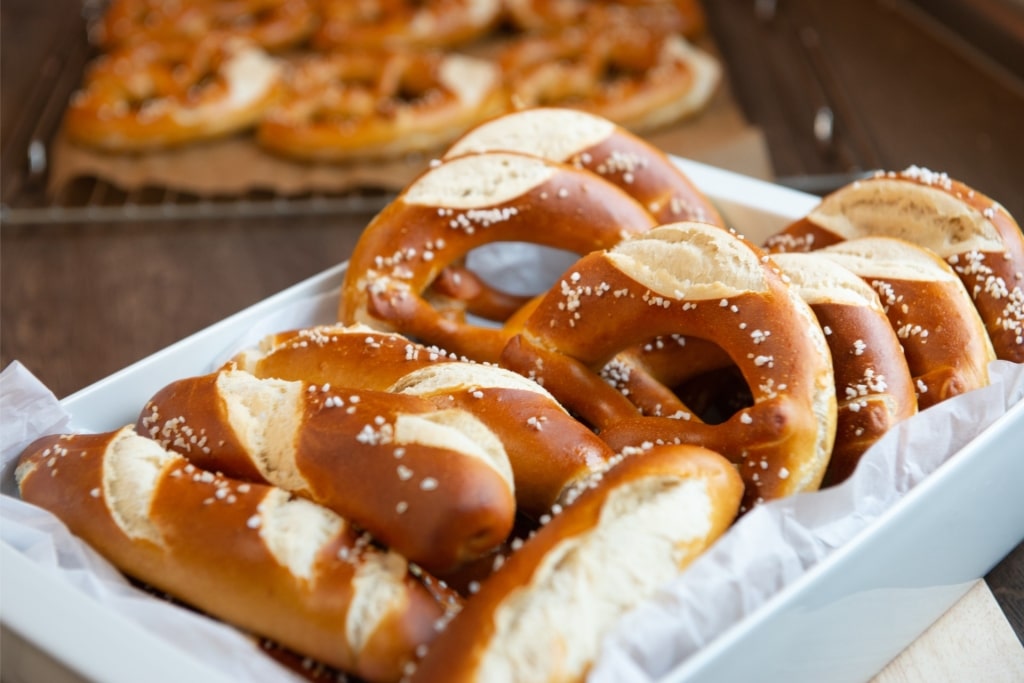
Pretzels
We’re probably all familiar with salty pretzels but in Vienna they’re bigger, softer, warmer, and certainly not out of a packet.
Pretzel is a popular street food and you’ll find them sliced in half and filled with anything from prosciutto to cheese. They make a great accompaniment to a chilled glass of wine and as such are often served as a snack in the city’s many Heurige, or wine taverns.
Manner Schnitten
You can buy Manner wafers all over the world nowadays but they’re an icon of Austria and the company, which was founded by Josef Manner in 1890, is Austrian owned to this day. Manner is the only brand allowed to show St. Stephen’s Cathedral on its packaging.
The classic Manner Schnitten have a creamy hazelnut filling but if you’re looking for a gift to take home, head to the Manner shop on Stephansplatz, in the shadow of the cathedral, and you’ll be wowed by the variety of flavors and merchandise, from chocolate to lemon, coconut, and orange cream. But the original hazelnut flavor presented in the iconic pink tin, is a great souvenir of the city.
Austrian Wine
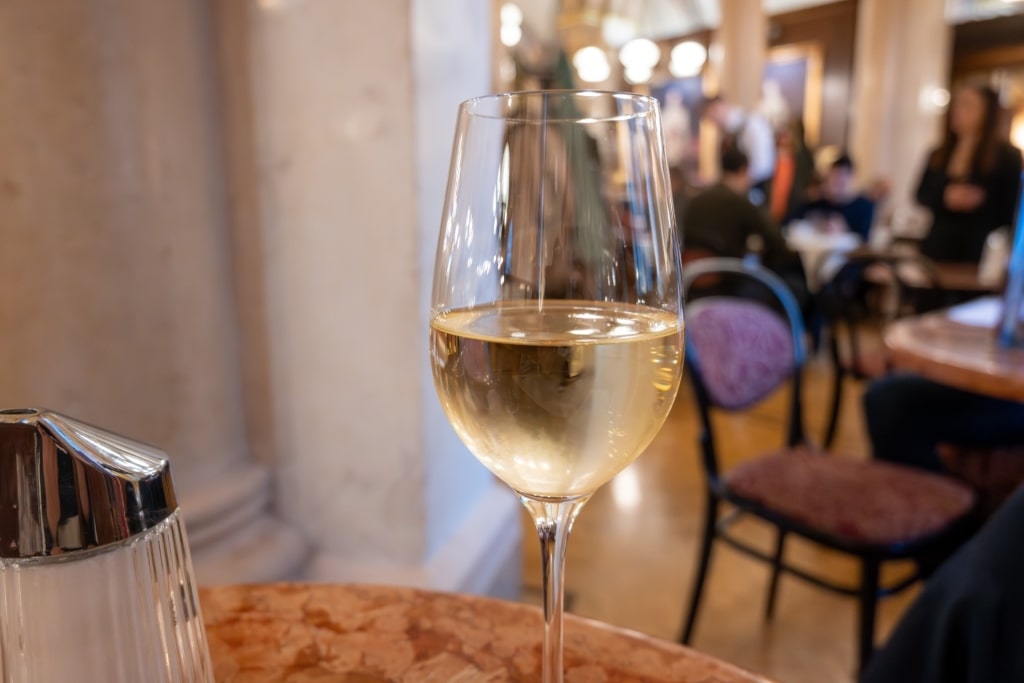
Austrian wine
Vienna is the only European capital where wine is grown within the city limits. Head to Grinzing, a wine-growing village in the 19th district, and you’ll see vineyards rolling away over the hills that frame the northern edge of the city.
You’ll also come across Heurige, traditional wine taverns, serving the local wine and embodying the Viennese concept of gemütlichkeit, a sense of comfort and good cheer, with wooden tables, vine-shaded gardens, rustic food, and groups of friends having a good time.
From spring through fall, the Viennese flock to the warm, old-fashioned Heurigen for sweeping views across the city, a stroll among the vineyards and a tasting of crisp Grüner Veltliner, Riesling and Gemischter Satz white, and Pinot Noir and Zweigelt red wines. Order your wine as an Achtl—an eighth of a liter—or a Viertel, a quarter of a liter, served in a glass carafe.
Open Sandwiches
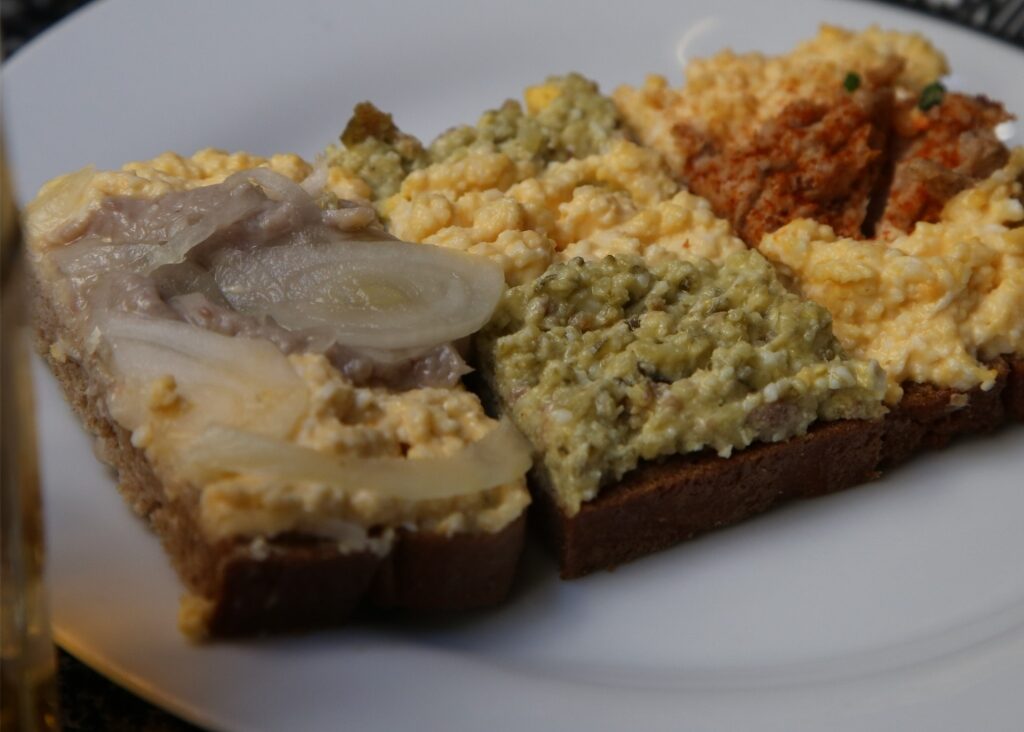
Open sandwiches
When Viennese want a lunchtime snack, they head for Trzesniewski, a hole-in-the-wall Polish sandwich shop, an institution on Dorotheergasse since 1902. Here, black bread slices are colorfully spread with chopped egg, bacon, horseradish, and peppers; in fact, there are 27 different toppings and the shop makes 5,000 sandwiches a day.
Locals wait in line outside to get their lunchtime fix. Each little sharply-flavored slice is washed down with a “Pfiff”, an eighth of a liter of beer. Ironically, the concept of one of the city’s great success stories is derived from poverty, from the times when two slices of bread were too expensive and artfully smothering just one slice with whatever was available became the accepted way.
Semmel
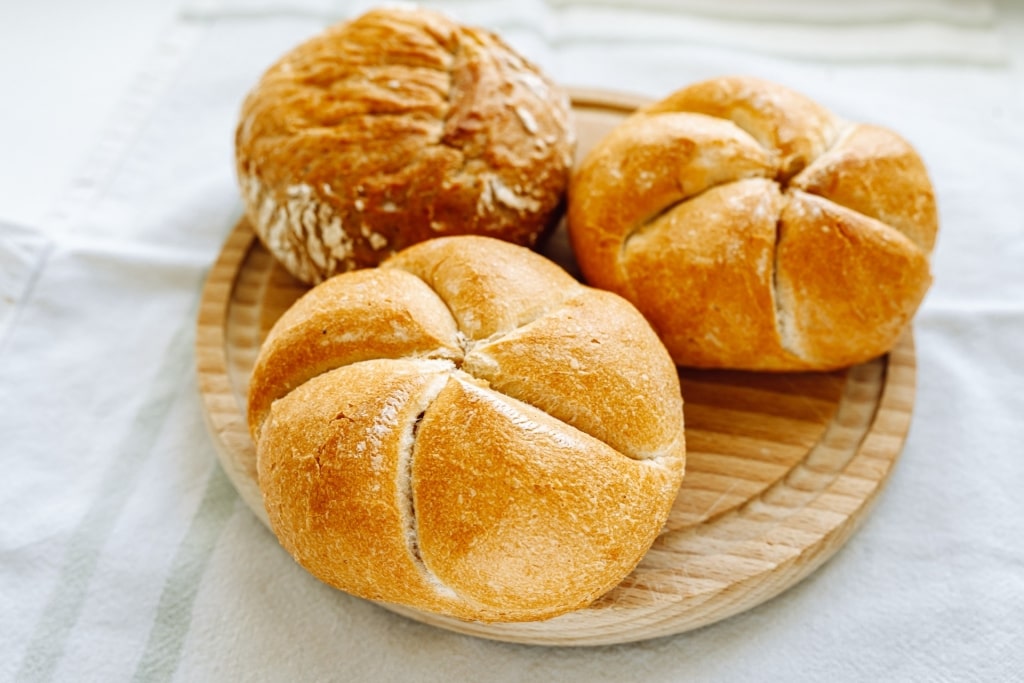
Semmel
The Viennese love their bread, whether it’s a crisp white roll with apricot jam in a coffee house for breakfast or a lunchtime sandwich stuffed with cheese, ham, or sausage. The most popular roll is the Semmel, a crusty white roll with a star-shaped pattern on top and a delicious, slightly doughy center.
You’ll see locals waiting in line at their neighborhood bäckerei, or baker, in the mornings to collect their Semmel, still warm from the oven.
Tafelspitz
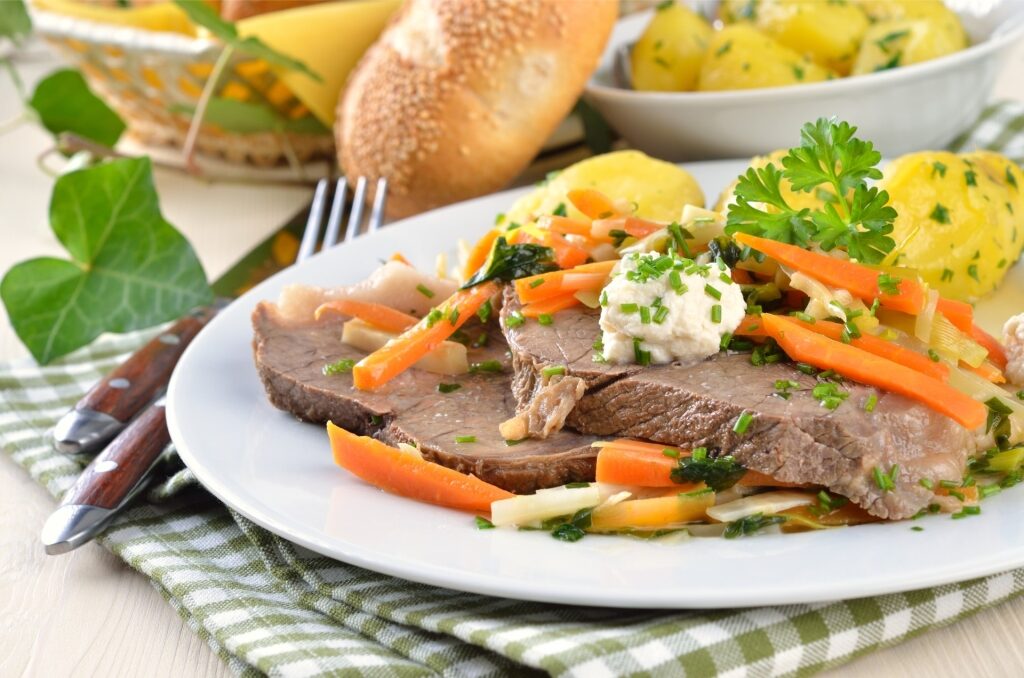
Tafelspitz
Austrians eat a lot of beef, and Tafelspitz—a beef haunch slowly simmered in broth flavored with root vegetables such as carrots, celeriac, and parsnips, bay leaves, and peppercorns—is especially popular.
It’s said to have been the favorite of Emperor Franz Josef. Although it’s a simple dish—the emperor apparently had unsophisticated tastes—it’s full of flavor and is served with fried potatoes, boiled vegetables, pureed apples, and horseradish for a kick of spice. The broth is reduced and turned into a rich gravy.
Farm-to-Table Cuisine
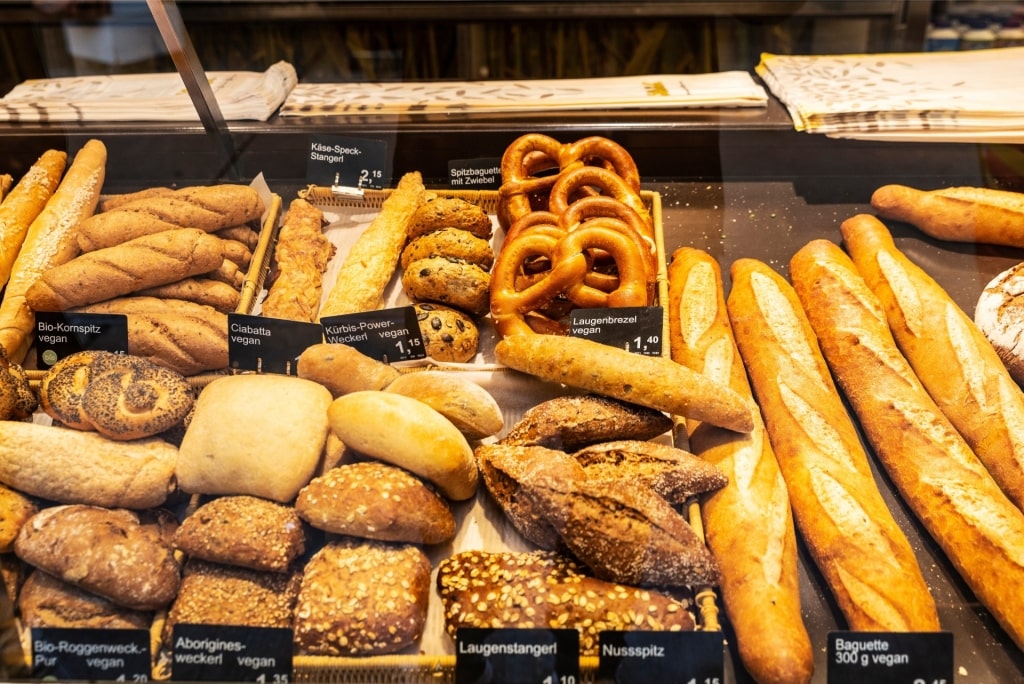
Naschmarkt
Sustainability and seasonal produce are part of daily life in Vienna, which has around 800 urban farms and community gardens. The best place to try fresh, local produce is the Naschmarkt, a feast for the senses, with more than 100 stalls selling fresh apricots in summer, local hams and cheeses, olive oil, nuts, spices, oysters, and gourmet global street food, from falafel to baklava and kebabs. There’s a festival vibe here on weekends, with DJ sets and merriment.
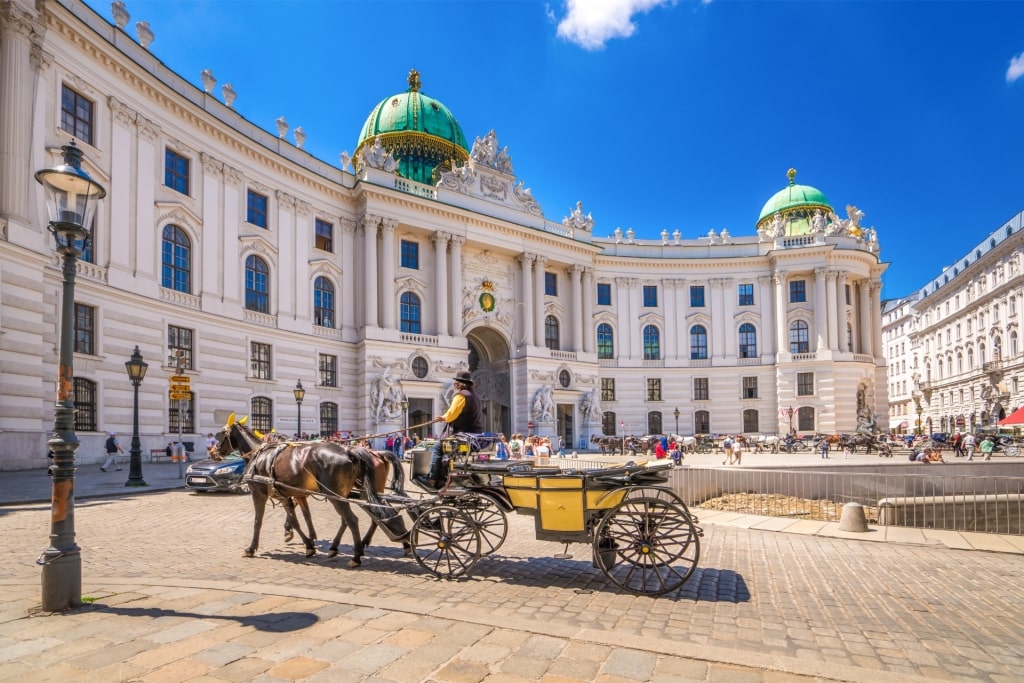
Vienna
Are you ready to sample Austria’s unique cuisine? Browse Celebrity’s river cruises to Vienna and plan your European adventure.