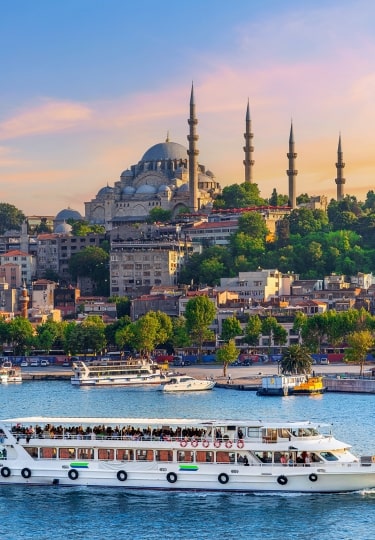
Turkey, officially the Republic of Türkiye, is a captivating nation where centuries of history, diverse traditions, and breathtaking landscapes converge. Turkish culture is a rich, intricate tapestry woven from the influences of ancient Anatolian civilizations, the Byzantine Empire, the Ottoman Empire, Islam, and modern European and Asian customs.
Turkey is one of those places where history comes alive through grand Turkish architecture, aromatic spice markets, lingering tea rituals, and legendary hospitality. Whether strolling through the vibrant streets of Istanbul or exploring the ancient marble paths of Ephesus, understanding the core values of Turkish culture allows travelers to better connect with the places they visit and the people they meet.
Key Things to Know About Turkish Culture
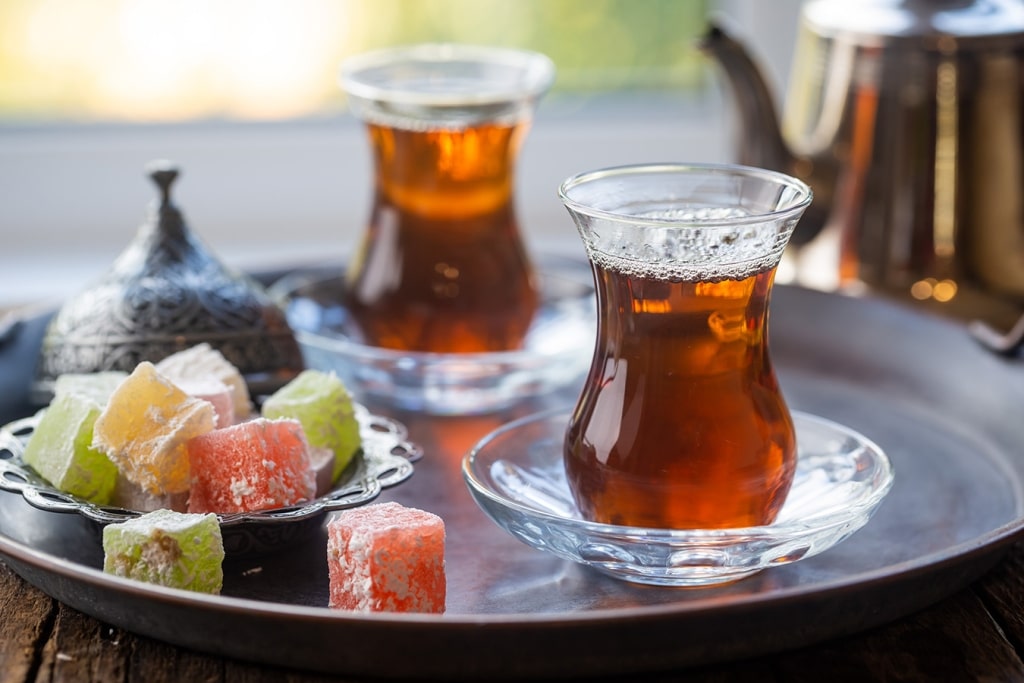
Traditional Turkish tea paired with sweet Turkish delight offers an authentic taste of hospitality.
Before setting out on your journey, having a foundational overview of Turkish life can help you navigate daily interactions with confidence and respect.
- Turkey bridges Europe and Asia, acting as a gateway between East and West, creating a fascinating blend of traditions.
- Hospitality is a cornerstone of Turkish culture, and locals often go out of their way to make visitors feel welcome.
- Tea and coffee play important social roles, facilitating friendship and conversation.
- Family and community are important values in Turkish culture.
- Islam influences many customs and traditions. For many Turks, Islam shapes daily routines, holidays, and social etiquette.
- Turkish cuisine reflects centuries of cultural exchange, from palace-born delicacies to regional street food.
- An important thing to know about Turkey is that modest attire is an essential courtesy when visiting mosques and active places of worship.
Turkish Culture: Reflecting Thousands of Years of History
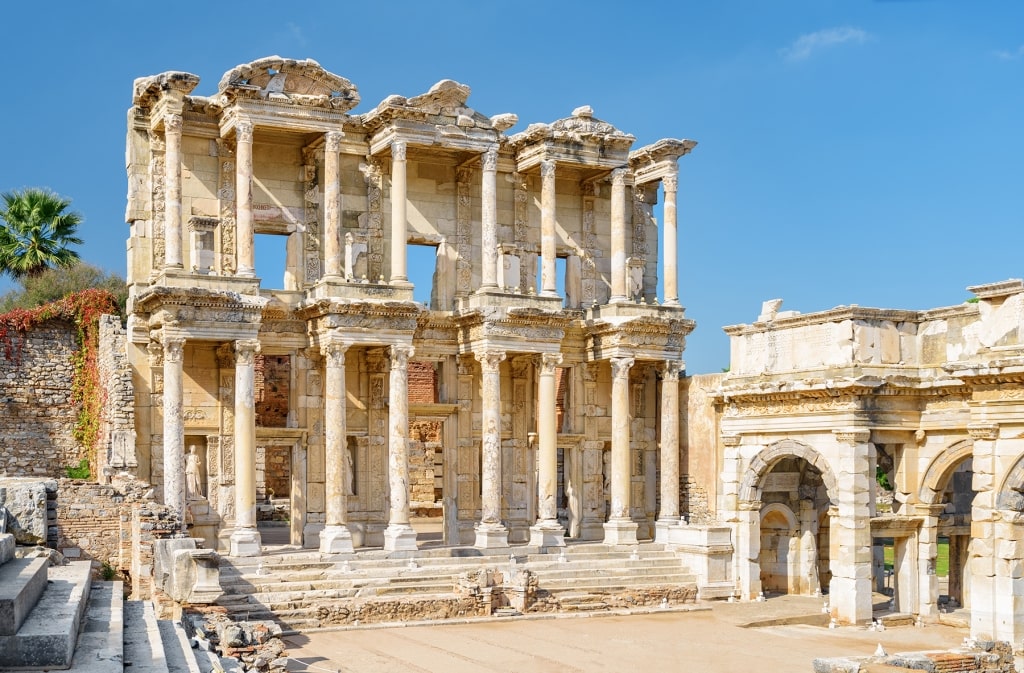
The magnificent Library of Celsus stands as a testament to Ephesus’ enduring Greco-Roman legacy.
Understanding modern Turkish culture requires at least a cursory knowledge of the deep layers of its past. The peninsula of Anatolia, which forms the majority of modern Turkey, is one of the oldest continually inhabited regions in the world. The influence of early civilizations, such as the Hittites, Phrygians, Lycians, and Greeks, can still be sensed in modern Turkey’s architectural, agricultural, and artistic traditions.
Later, the region became the heart of the Byzantine Empire—or the Eastern Roman Empire—with Constantinople serving not only as an administrative capital but also a hub of law, architecture, and Christian art. In 1453, the Ottoman Empire established its capital in the city, initiating a glorious era of Islamic art, intricate tile work, sweeping dome architecture, and culinary innovation. In the early 20th century, Mustafa Kemal Atatürk founded the modern Republic of Turkey, introducing sweeping secular, educational, and legal reforms.
Turkey’s Unique Position Between Europe and Asia Shapes Its Identity
Straddling two continents across the strategic Bosphorus Strait, Turkey has served as a crossroads of human civilization for millennia. This geographical reality has profoundly shaped Turkish identity, creating an atmosphere where Eastern and Western influences coexist.
Destinations such as Istanbul and İzmir boast bustling arts scenes, contemporary fashion, and modern lifestyles similar to those found in major European cities. In smaller communities further into Anatolia, the daily rhythms reflect traditional agricultural cycles, classic folk arts, and more conservative customs.
Hospitality: A Defining Trait of Turkish Culture
Being hospitable is an important tenet of the collective consciousness. Turkish culture encourages people to treat guests not as outsiders, but as honored visitors. If you visit, you’ll probably have no trouble finding a local willing to provide detailed directions. But if you do ask for help, don’t be surprised if the person you meet delves into a personal story or invites you into their shop for tea or coffee. Sharing food and beverages is a central ritual of Turkish hospitality.
Food and Drink Tell the Story of Turkish Culture
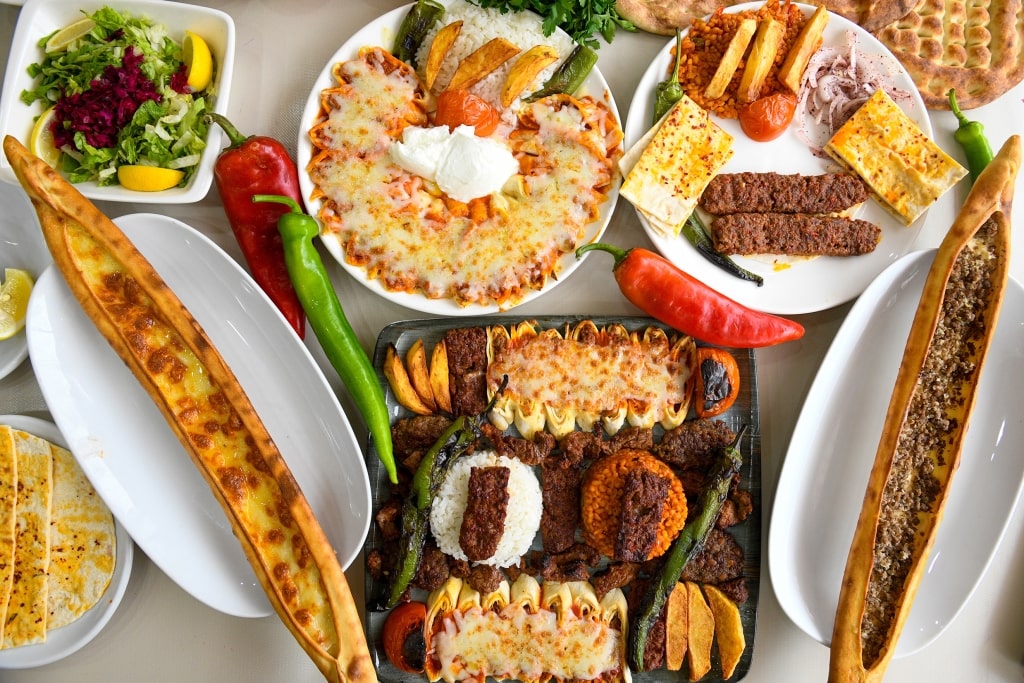
A decadent spread of traditional gastronomy showcases warm, sesame-crusted pide alongside succulent grilled meats and a vibrant array of flavorful meze.
Turkish gastronomy blends culinary techniques from the Middle East, Central Asia, the Mediterranean, and the Balkans. A typical Turkish meal progresses at a relaxed pace, allowing family and friends to bond over shared platters.
Signature traditional foods include:
- Kebabs: Succulent grilled meats seasoned with regional spices, ranging from döner to Adana kebab.
- Meze: A colorful array of cold and hot small dishes, such as hummus, stuffed grape leaves, and eggplant dip, served before a main course.
- Simit: A circular, sesame-crusted bread ring sold freshly baked by street vendors across the country.
- Börek: Flaky, layered pastry filled with spinach, savory cheese, or minced meat.
- Köfte: Flavorful, seasoned meatballs grilled or baked to perfection.
- Baklava: Crisp layers of phyllo dough stuffed with finely chopped pistachios or walnuts and sweetened with rich syrup.
- Turkish Delight (Lokum): A delicate, starch-based confection flavored with rosewater, citrus, or mastic, often studded with premium nuts.
Turkish Tea and Coffee: A Tradition That Brings People Together
In Turkey, tea and coffee aren’t simply beverage options. They’re deeply ingrained in traditional culture and everyday life. Many Turks drink black tea throughout the day, often in small, tulip-shaped glasses. And if a local offers you a cup, don’t decline just because you don’t want to impose. Accepting a cup of tea is one of the easiest ways to demonstrate appreciation for local hospitality.
If you’re anything like me, you think black tea is nice, but what you often crave is coffee. Well, lucky for us, Turkish coffee is iconic.
The typical process involves simmering finely ground coffee beans with water and sugar in a small copper pot. The result is a dark, rich brew topped with velvety foam. These cups of joe are so good that UNESCO has officially recognized Turkish coffee preparation and serving traditions as an Intangible Cultural Heritage of Humanity. The region’s historic coffeehouses have served as community gathering places for conversation and debate since the Ottoman era, and it was through the Turks that Europeans first encountered coffee.
Turkish Customs and Traditions Reflect Strong Community Values
Family relationships are central to Turkish society. Multi-generational living remains common, and extended family networks provide a strong social safety net.
Respect for elders is expected and appreciated. Each generation passes down cultural traditions to the next, and celebrations and holidays are important opportunities to bring extended families and communities together.
Traditional Turkish Celebrations Preserving Cultural Heritage
Another UNESCO-recognized aspect of Turkish culture is the ceremonial keşkek stew. It’s a wheat and meat dish prepared collectively in large cauldrons over open fires during weddings and special gatherings.
Religion Influences Daily Turkish Life and Traditions
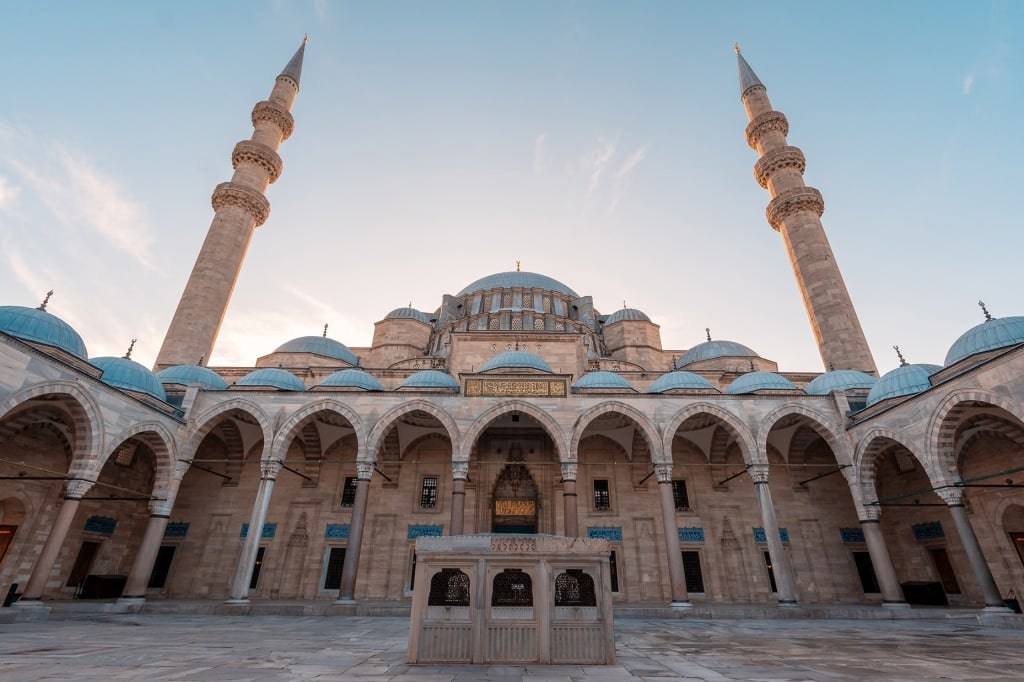
Morning light warms the grand courtyard of Istanbul’s iconic Süleymaniye Mosque.
Islam is the predominant religion in Turkey. Throughout the day, you’ll hear the call to prayer emanate from minarets across villages and cities. And while personal religious practice varies across the population, Islamic values are rooted in the culture. Influences include charitable giving, communal meals during the holy month of Ramadan, and warm holiday greetings during Eid. If you want to experience a specific festival or celebration, you can do a little research to determine the best time to visit Turkey for you.
Enhance Your Visit by Understanding Turkish Etiquette
Knowing about these social norms can help you enjoy your trip and make new friends:
- Greetings: Handshakes are common, and polite greetings can help to establish a rapport.
- Dress expectations: Everyday attire is generally modern and varied, but modest clothing is recommended when visiting mosques and religious sites.
- Dining etiquette: Accepting tea or hospitality is often appreciated, and meals are commonly social occasions.
- Market and shopping etiquette: Friendly bargaining may be expected in some markets, but respectful interactions are valued.
- Public behavior: Be mindful of local customs at religious and historic sites and ask permission before photographing people.
Learning a Few Turkish Phrases Goes a Long Way
English is common in major cities and tourism. However, many Turkish people appreciate visitors who make an effort to learn a little of the Turkish language. Here are some key phrases to know:
- Merhaba = Hello
- Teşekkür ederim = Thank you
- Lütfen = Please
- Hoşça kal = Goodbye
Arts, Architecture, and Heritage Bring Turkish Culture to Life
Ottoman architecture and aesthetics still dominate Turkish skylines with vaulted domes, soaring minarets, and light-filled interiors. Famous examples of this style include the Blue Mosque and Süleymaniye Mosque. You can find traditional crafts like hand-knotted silk carpets and hand-painted ceramics at local markets.
Key UNESCO World Heritage highlights include:
- Historic areas of Istanbul: Must-see sights in Istanbul include the Hagia Sophia, Topkapi Palace, and ancient city walls.
- Göreme National Park and Cappadocia: A captivating landscape of fairy chimneys, underground cities, and rock-hewn Byzantine churches.
- The Great Mosque and Hospital of Divriği: An architectural masterpiece of stone carving in eastern Anatolia.
- Selimiye Mosque and its social complex: Mimar Sinan’s masterpiece located in Edirne.
Experience Turkish Culture in Istanbul
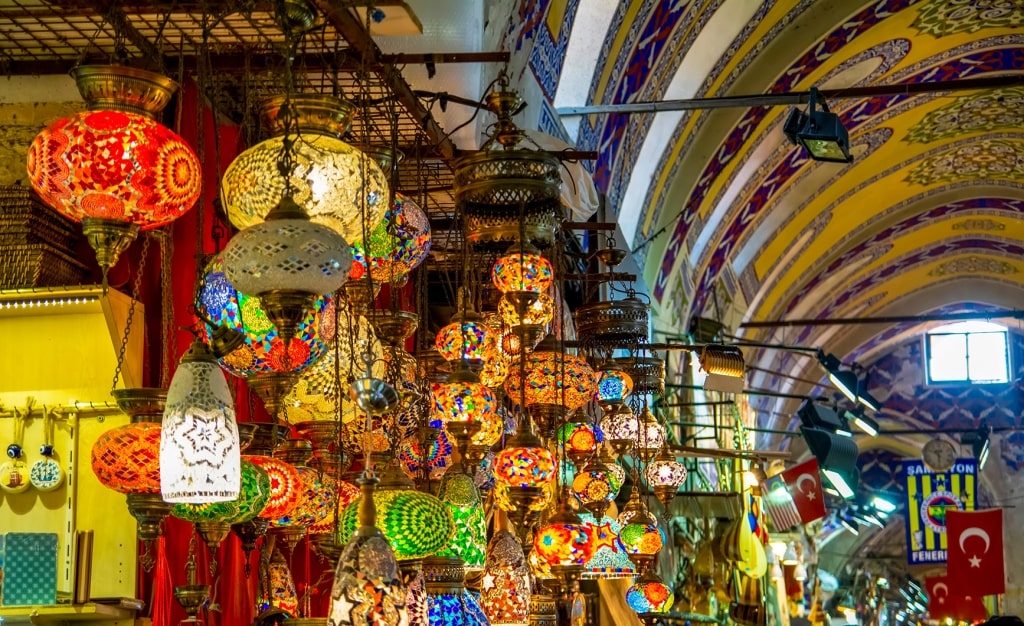
Vibrant mosaic lamps cast a warm glow inside Istanbul’s historic Grand Bazaar.
In Istanbul, you can explore centuries of history within a single neighborhood. Step inside historic mosques, wander the halls of Topkapi Palace, or bargain for spices in the Grand Bazaar. Afterward, you can relax in a waterfront tea garden along the Bosphorus and watch the ferries pass between continents.
Experience Turkish Culture in Ephesus
Located near the Aegean coast, the ancient city of Ephesus is like a portal into Greco-Roman life. You can walk along preserved marble streets, admire the grand façade of the Library of Celsus, and stand in the massive Great Theatre.
Experience Turkish Culture by Cruise
Taking a cruise to Turkey is one of the most comfortable and enriching ways to discover its coastal treasures. A cruise itinerary allows you to wake up steps away from historic Mediterranean harbors, giving you full days ashore to explore iconic landmarks and savor authentic regional dishes without the stress of frequent hotel transfers. You can choose from broader cruises to Greece and Turkey to take in more unforgettable historical sites and ancient harbor towns.
Discover Turkey’s Rich Culture With Celebrity Cruises
On a Celebrity cruise, you can experience the beauty, history, and warmth of Turkey in relaxed refinement. You can enjoy extended stays in premier ports like Istanbul and Ephesus, immersing yourself fully in local sights, sounds, and flavors.
View cruises to Turkey and begin planning your extraordinary journey today.
FAQs About Turkish Culture
What is Turkish culture known for?
Turkish culture is famous for its extraordinary hospitality, Ottoman architecture, rich tea and coffee traditions, and cuisine. Renowned sights include the Hagia Sophia, ancient Byzantine churches carved out from cliffs, and vibrant balloons floating majestically above the ancient landscape of Cappadocia.
What are the most important Turkish customs and traditions?
Among the most cherished customs are treating guests with utmost generosity, showing respect to elders, sharing unhurried family meals, and observing traditional tea and coffee rituals.
What should tourists wear in Turkey?
For general sightseeing, comfortable, casual attire is appropriate. However, when visiting mosques and active religious sites, modest dress is required. Men and women should cover their shoulders and knees and remove their shoes. Women are also requested to cover their hair with a scarf.
Is Turkish culture easy to experience during a cruise stop?
Yes, taking a cruise is one of the simplest ways to experience Turkish culture. Key cruise ports put historic mosques, ancient ruins, bustling bazaars, and traditional cafes within easy reach.
What foods are most associated with Turkish culture?
Iconic Turkish foods include kebabs, meze, simit, börek, and baklava. Turkish coffee and hot black tea are also integral to the national culinary identity.