
Cruise travel insurance protects your financial investment in prepaid, non-refundable trip costs against unexpected cruise-specific disruptions. It’s a smart buy, but many travelers don’t think about purchasing travel protection until something goes wrong on their vacation.
Here’s the thing: Your total cruise purchase is more than the fare; it includes flights, pre-cruise hotel, and pre-booked tours. If something forces you to cancel your cruise plans at the last minute, you could lose all the deposits and payments you’ve made for various components of your trip.
And cruises, compared to land vacations, come with specific risks, such as missed embarkation (if your flight arrives late), weather disruptions (especially during hurricane season), and complicated access to medical care that other vacations don’t have.
Cruise travel insurance is an investment that can save you many times the cost of the coverage if a medical emergency arises or you’re forced to alter travel plans at the last minute. Your financial outlay will depend on your trip details and the policy you choose, but many travelers see pricing ranging from 4% to 10% of their trip costs.
As you consider whether you wish to protect your upcoming vacation, here’s what to know about travel insurance for cruises and why it’s especially useful for vacations at sea.
Most Cruise Policies Center on a Few Core Coverage Categories

Leaning into the unknown? Whether it’s trip cancellations, lost baggage, or medical emergencies, travel insurance keeps you covered through every unexpected detour.
Cruise insurance policies range from more affordable plans with basic protections to pricier plans that cover a lot more, but nearly every policy will offer the following core coverages.
Trip cancellation coverage reimburses you for nonrefundable deposits and payments when you need to cancel a trip for reasons related to yourself, a family member, or a travel companion. If you get rushed to the hospital a few days before your cruise or your best friend loses her job and needs to bail on your girlfriends’ getaway, you won’t get stuck footing the bill for a trip you never take.
Trip interruption coverage kicks in when something happens mid-cruise, such as a close relative passing away while you’re at sea or a health problem cropping up that sends you to a land-based hospital in port. Your insurance plan will reimburse you for rescheduled flights and impromptu hotel stays.
Emergency medical coverage and emergency evacuation are key because most US-based health insurance plans do not cover doctor or hospital visits in other countries. Plus, if you need to be medically evacuated from your cruise ship, you do not want to foot the bill for that helicopter airlift or ambulance ride from a remote port to a bigger-city hospital.
Finally, baggage loss and delay coverage pays for the necessities you need to buy if your luggage goes missing, either for a few days or forever.
What Does Cruise Insurance Cover?

Happy travelers enjoy their shore excursion with icy Alaskan peaks in the background and total peace of mind thanks to cruise insurance protection from Celebrity Cruises℠.
No travel insurance plan covers every scenario; you can’t just cancel a trip because you feel like it and expect your policy to pay up (unless you’ve actually purchased a “cancel for any reason” add-on). Before you choose a plan and purchase cruise insurance, you should always review covered reasons, exclusions, and reimbursement rules.
For example, you may be able to cancel your trip and file a claim if a serious illness or other covered emergency prevents you from traveling. You may also be covered if you’re legally required to appear in court for jury duty or a subpoena and can’t change the date. However, exclusions still apply, so it’s important to read the policy carefully before assuming a particular situation will be covered.
Most cruise plans will cover basic adventure activities you might do on a shore excursion, like hiking or biking, but might not cover high-risk activities, such as ATV riding or scuba diving. They also generally won’t refund your money if your cruise itinerary is adjusted to visit a different set of ports than scheduled.
Before purchasing a cruise travel insurance plan, you should verify severe-weather rules to see what’s covered. If a storm disrupts or cancels your trip, you might be able to file a claim only if you purchased insurance before that storm developed and was named. Many plans will only offer medical reimbursement for issues related to a pre-existing condition if you buy the cruise insurance within a specific time period after booking the cruise.
The other thing to look out for, especially if buying trip protection directly from a provider (like a cruise line or an airline) rather than a third-party insurance agency, is how claim reimbursements are applied. Some plans might pay you back with travel credits or vouchers rather than cash.
Buying Cruise Travel Insurance Early Can Matter as Much as Choosing the Right Plan

A smiling couple captures a selfie overlooking Santorini’s whitewashed cliffs and blue waters, protected by cruise travel insurance on their Celebrity Cruises℠ getaway.
Cruise insurance is not included in your cruise, so you will need to purchase it separately. Many travelers are surprised to learn that the timing of your purchase impacts which coverages you are eligible for.
Two time-sensitive provisions are the most common and also have a big impact on cruisers. The first is that most plans will only cover claims related to pre-existing medical conditions if you purchase coverage within 14 to 21 days after your initial trip deposit. If you procrastinate and then have to cancel the cruise due to a cancer relapse or need medical care mid-cruise due to diabetes complications, you will not be reimbursed for those expenses.
The other time-sensitive provision is related to weather. If you purchase travel insurance and then a hurricane develops and is forecast to hit Miami just as you should be arriving for your cruise, you can get reimbursed for any travel changes you need to make. However, if you wait until the hurricane is named, your insurance provider will no longer reimburse you for travel disruptions related to that storm.
To get maximum coverage from your insurance plan, it’s best to buy it as soon as you make the initial deposit for your trip. Make researching cruise coverage part of your cruise planning process, so you’re ready to purchase insurance as soon as you book your cruise rather than as a last-minute add-on.
The Right Insurance Plan Will Protect You Against Cruise-Specific Issues
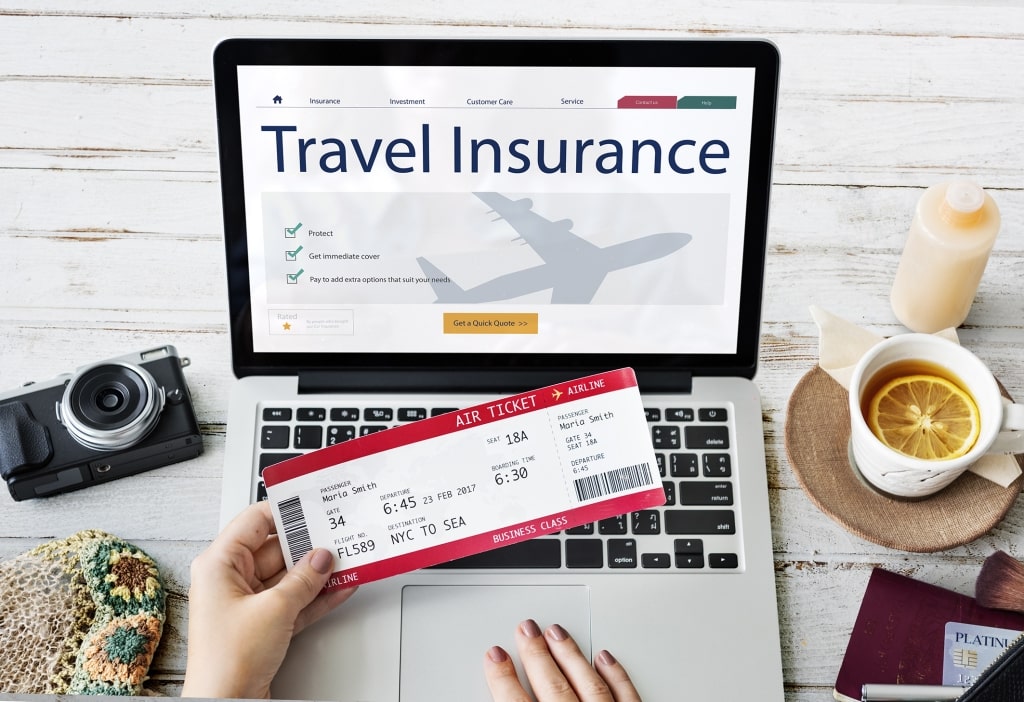
A traveler holds a red airline ticket over a laptop showing travel insurance options while preparing for an upcoming cruise.
Cruise travel presents unique scenarios and risks compared to land travel, making the need for travel protection with the right coverages that much greater.
To start, all cruise lines require guests to pay in full several months before the cruise, often 90 days but possibly as far in advance as 180 days for longer sailings. That’s in contrast to hotel stays, where you often can cancel as late as the night before.
Many situations can arise in the three months before a cruise that might prevent you from traveling as planned. Cruise cancellation policies are very strict, and you will likely receive only a percentage of your cruise fare back if you cancel after final payment. The only way to get reimbursed for a last-minute cancellation is with a travel insurance plan.
Travel delays are especially problematic for cruise vacations. A delayed flight is always an annoyance, but if you have a hotel booked, it’s not a problem to show up later than expected. Arrive too late to your cruise departure port, and your ship might have already sailed away. Cruise insurance is then crucial for covering costs, such as those involved with catching up to the ship in the next port.
Baggage delays are also more complicated for cruise guests. Typically, if your luggage takes the flight after yours, the airline will deliver it to your hotel. But if your lodging is aboard a cruise ship that has departed that port, it can be more difficult to reunite you with your belongings. If that happens, you’ll be grateful to have an insurance plan reimbursing you as you buy new clothes and toiletries for your trip.
Cruises aren’t typically canceled during hurricane season because the ships can alter their itineraries to avoid the storms. However, if the departure port is impacted, cruise ships have been known to linger at sea for an extra day or two, delaying embarkation and debarkation and necessitating extra hotel stays or adjusted flights for guests currently on board and those booked on the following sailing. Travel insurance can reimburse you for the expenses you incur changing plans at the last minute.
Because of these cruise-specific scenarios and others, travel insurance can be very useful when the unexpected occurs before or during your cruise vacation.
A Simple Pre-Cruise Checklist Can Help You Buy More Confidently
When you begin to research cruise travel insurance plans, it’s easy to become overwhelmed. Insurance aggregators offer a wealth of plans with various price points and coverages. Keep this checklist handy and review key policy details before buying, ensuring you make an informed decision:
- Covered reasons for canceling or interrupting a trip
- Coverage exclusions
- Trip interruption and delay reimbursement limits
- Baggage loss and delay benefits
- Missed connection coverage
- Emergency medical reimbursement limits
- Emergency evacuation reimbursement limits
- Shore excursion exclusions
- Coverage for financial default of the cruise line
- Pre-existing medical condition waivers and associated timing
- Reimbursement currency (cash vs. credit vs. vouchers)
- Primary vs. secondary coverage rules
CruiseCare: Tailored Protection for Celebrity Cruises℠ Guests
If you’re looking for cruise-focused coverage, Celebrity offers a package for U.S. residents, formulated with cruise-specific concerns in mind. Celebrity CruiseCare℠ is an optional add-on to your cruise booking. It combines typical travel insurance benefits with a “cancel for any reason” cruise credit option.
CruiseCare includes:
- Cancellation coverage: Coverage for specified reasons, plus a future cruise credit equal to 90% of the non-refundable cruise value when canceling for another reason, subject to program terms.
- Trip interruption: Coverage of up to 150% of the total trip cost for certain covered events that prevent you from starting or finishing your vacation.
- Travel delays: Reimbursement of up to $2,000 for covered expenses to catch up to your cruise, plus an additional benefit for certain delays of three hours or more.
- Medical coverage: Up to $100,000 for covered accident or sickness expenses and up to $500,000 each for emergency evacuation and repatriation.
- Baggage protection: Up to $3,000 for lost, stolen, or damaged baggage and up to $500 for necessary purchases after a covered baggage delay.
- 24/7 emergency assistance: Access to travel, medical, and emergency support while away from home.
Visit the CruiseCare FAQ hub to learn more about Celebrity’s coverage, eligibility, and purchase details. It’s always smart to compare plans to find the best coverage for your cruise and give yourself the peace of mind a relaxing vacation at sea definitely deserves.
Explore CruiseCare and protect your trip today.
Common Questions About Travel Insurance for Cruises
Do I need travel insurance for a cruise?
You are not required to purchase insurance for a cruise, but it’s a good idea to protect all the prepaid, nonrefundable trip costs associated with cruising. Because cruises present unique risks, such as you or your luggage missing the ship and the necessity of medical evacuation if you fall ill while at sea, they are ideal candidates for insurance coverage.
Why might credit card travel insurance or domestic health coverage not fully cover cruise emergencies?
Credit card travel insurance benefits and domestic health coverage do not offer the same scope of protections as an independent travel insurance plan. Credit card benefits typically come with lower coverage limits, so you might not be fully reimbursed for expenses. Plus, if you booked any part of the trip on a different card, those expenses will not be eligible for reimbursement. Domestic healthcare plans typically do not cover routine medical services abroad or emergency evacuation. Some plans might cover emergency medical care, but might not cover all the expenses associated with handling a life-threatening emergency while overseas.
Does cruise insurance cover missed ports or itinerary changes?

Sailing into sunlight! Effortless luxury and open horizons await with Celebrity Cruises℠.
Typically, cruise insurance does not cover missed ports or itinerary changes because you still experienced a full cruise vacation. Insurance reimburses guests for unexpected costs (such as an unplanned hotel stay or medical expense), or for nonrefundable payments for travel they could not take. Once you’re on the cruise ship, you’re experiencing the vacation you paid for even if itinerary details change.
Cruise lines will generally reimburse guests for any port fees paid or shore excursions booked through their tour department. A cruise travel insurance plan might reimburse you for nonrefundable fees paid for shore experiences if your itinerary changes to skip that port and the provider does not refund you, but you won’t get reimbursed simply for being inconvenienced by a change to your itinerary.
When should you buy travel insurance for a cruise?
You should always buy travel insurance as soon as possible after paying the initial deposit on your trip. You can anticipate trip costs and adjust as needed before you sail. If you cannot buy travel insurance as soon as you’ve booked your cruise, you will want to book within the waiver period for pre-existing medical conditions. If you miss that window, you still want to purchase insurance as early as possible, so you can be covered for all future unforeseen events that might disrupt your travel plans.